The flue gas measurement protocol: what goes in and how the PDF is made
Annex 2 of the 1. BImSchV lists what the certificate for a flue gas measurement must contain at minimum. Here is the list for oil, gas and solid fuels, and how the protocol is made on site with photos and a signature.
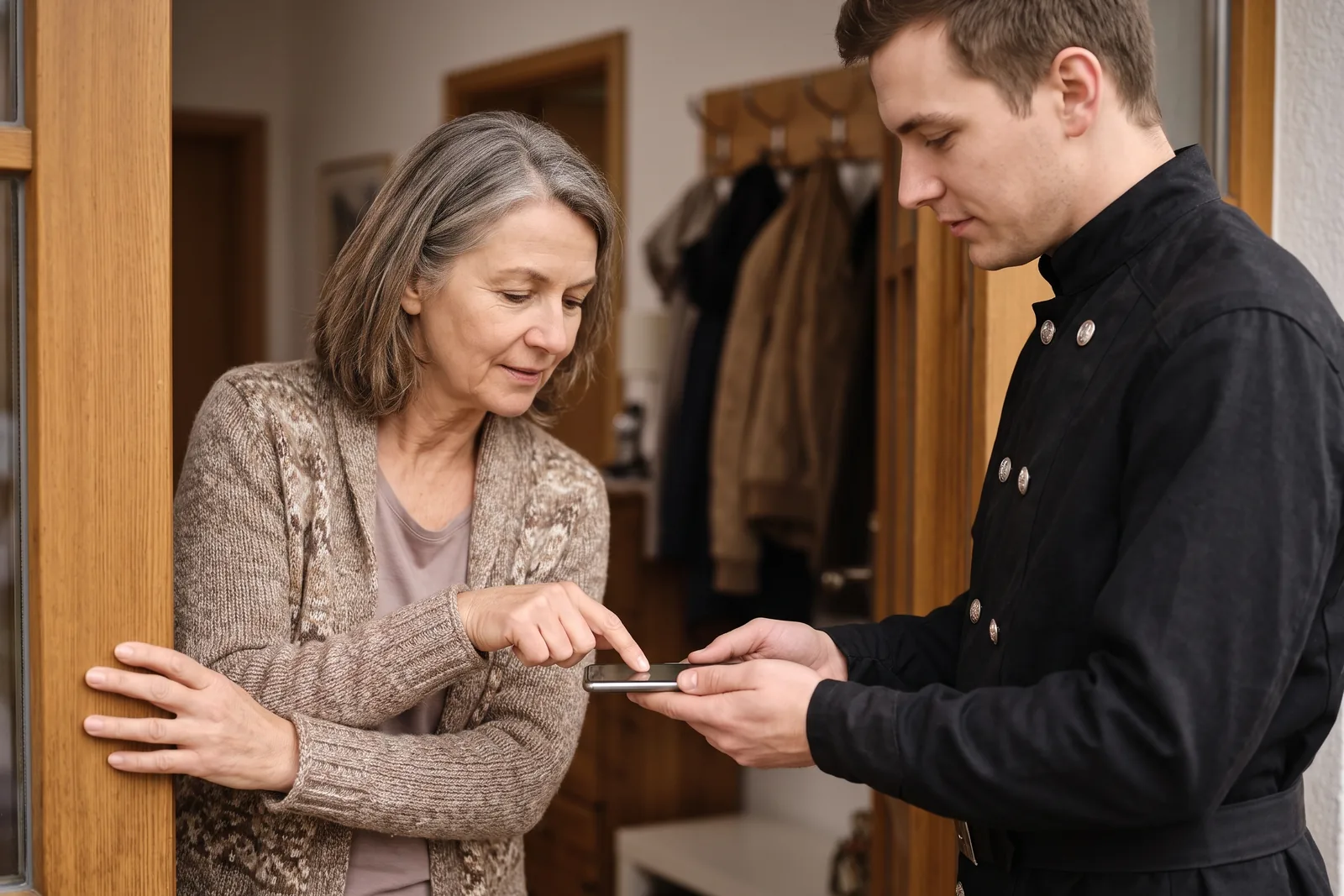
Every flue gas measurement ends in a document for the chimney sweep. The operator gets a certificate, the office needs the readings, and if there is a defect it must be clear later what was measured. A good flue gas measurement protocol contains everything the ordinance requires, is made on site and is signed before you leave the house. This article shows what the 1. BImSchV says belongs in it and how Kehrwerk turns that into a PDF.
The basis is § 14 (4) and Annex 2 No. 4 and 5 of the 1. BImSchV. The only binding text is the ordinance itself.
The protocol is done before you leave
Measure, get it signed, share the PDF. Kehrwerk is free for one person, no sign-up.


Who issues the certificate
§ 14 (4) of the 1. BImSchV requires the chimney sweep to give the operator a certificate on the result of the measurements under Annex 2 No. 4 and 5. Through § 15 (5) this also applies to recurring monitoring. Annex 2 sets out very concretely what the certificate must contain at minimum.
Required content for oil and gas: Annex 2 No. 4
For installations burning liquid and gaseous fuels, Annex 2 No. 4 names three blocks. General information:
- name and address of the chimney sweep or district master sweep
- name and address of the owner and where the installation stands
- the legal basis of the inspection
- heat exchanger and burner, each with manufacturer, type, year of installation and output
- the type of burner, the fuel used and the type of installation
The measurement result:
- heat carrier temperature, combustion air temperature, flue gas temperature
- oxygen in the flue gas and draught
- the flue gas loss determined, with its measurement uncertainty
- for liquid fuels, the smoke number from every single reading with the mean, and the result of the oil derivatives check
- the limits of the ordinance that apply to the installation
Other monitoring activities come on top, such as the information on checking the manufacturer's certificate under § 6 (2).
Required content for solid fuels: Annex 2 No. 5
For solid fuel installations the list is similar but not the same. Instead of burner and heat exchanger, the appliance is described with its design and feed type. The result lists heat carrier temperature, flue gas temperature, oxygen and draught, plus dust and carbon monoxide, each with its measurement uncertainty. Other activities include the moisture content measured for fuels under § 3 (1) No. 4, 5 and 6 to 8.
The Kehrwerk measurement protocol
After every measurement Kehrwerk builds a PDF headed Messprotokoll. It follows the order of the official form, so your office can transfer it without hunting. You issue the official certificate from your record-book software as usual. The Kehrwerk protocol is the record it is made from, with everything that happened on site:
- Site: owner, address, district number, date of the chimney notice, object number and location in the building
- Appliance: type, manufacturer and model, serial number, rated heat output
- Readings: time of measurement and every value with its unit, for oil all three smoke numbers, the mean and the oil derivatives result
- Assessment: the legal basis, the limit and next to it met or exceeded
- Result: no defect or defect found, with a description of the defect and a deadline for repair
- every photo of the measurement
- two signatures: the owner or representative with their name, and your own
Every page carries a page number in the form page 1 of 3. A protocol with a defect description and several photos runs cleanly across pages, without a heading left alone at the bottom of a page.
A protocol with photos and signature, made offline
The PDF is built on the phone, even in a cellar with no signal. Download Kehrwerk free.
Signed on site
The owner or their representative signs with a finger on the screen. Because the owner is often a property manager or a company, you enter the name of the person who actually signs. The protocol then shows their name and which owner they signed for. Your own signature as the chimney sweep sits next to it.
Finished means finished
When you finish a measurement it gets a timestamp and becomes read-only. If something does need correcting, you reopen it deliberately. Kehrwerk then records when the measurement was changed afterwards, and that date also appears in the CSV export. So it is always clear whether a protocol was touched after it was signed.
Share the PDF, CSV for the office
You share the PDF straight from the app: by email to the owner, by messenger to the office, or any other way your phone offers. For transfer into the record-book software there is also the CSV export: every measurement of a day in one file, one row per measurement, one column per value, with legal basis, limit, result, defect and deadline.
If your business uses the Kehrwerk office, measurement and protocol land there automatically as soon as the phone has a signal again. Nobody has to collect PDFs any more.

Try the protocol on your next appliance
Free forever for one person. Businesses try the office free for 14 days.
What must a protocol for an oil heating measurement contain?
Under Annex 2 No. 4 of the 1. BImSchV, among other things: heat carrier, combustion air and flue gas temperature, oxygen, draught, flue gas loss with its uncertainty, every smoke number with the mean, the oil derivatives result and the applicable limits.
Is the Kehrwerk PDF the official certificate?
No. It is the measurement protocol in the order of the official form, with photos and signatures. You issue the certificate from your record-book software.
Can I create the protocol without internet?
Yes. PDF and CSV are built on the phone. You only need a network to send them.
Who signs if the owner is a property manager?
The authorised person on site. Kehrwerk records their name and notes in the protocol which owner they signed for.
Can I still change a finished measurement?
Yes, after reopening it deliberately. Kehrwerk records when it was changed afterwards and writes the date into the export.
Try Kehrwerk on your next reading.
The chimney sweep app for flue gas readings on site. Free forever for one person, no signup.